Sugar stimulates the pleasure centre in the brain in a similar way to alcohol and drugs, impacting the same brain region and creating http://beta.pacificacl.com/2023/12/27/should-i-go-to-rehab-signs-you-need-addiction/ a rewarding feeling. Frequent alcohol use can cause or worsen nutrient deficiencies even if you consume a balanced diet. Alcohol can damage the lining of the intestines, impairing the absorption of essential nutrients such as magnesium, calcium, potassium, and zinc. It also interferes with B vitamin metabolism, especially folate, vitamin B1, and vitamin B12, which are essential for energy production, nervous system function, and DNA synthesis. If you’re thinking of throwing back a few shots while on a ketogenic diet, you should be prepared for a stronger hangover.
Deterrence and Patient Education
A terrific low carb beer on keto shopping lists around the country is Omission Brewing Co. Besides being gluten-free, it has 5 grams of carbs per 12-ounce serving. Some light beers have a lower carb count than others, and an occasional higher-carb brew won’t necessarily throw you out of ketosis. It’s generally a good idea to get informed first so you don’t have to spend time searching store shelves to find the best beer for keto. If you’ve ever heard the phrase “drinking increases ketosis,” you’re only getting half the story. Alcohol has about 7 calories per gram,1 so it’s sometimes classified as the fourth macronutrient.2 But unlike carbs, fats and protein, it’s not essential.
Ketotis and Diabetes
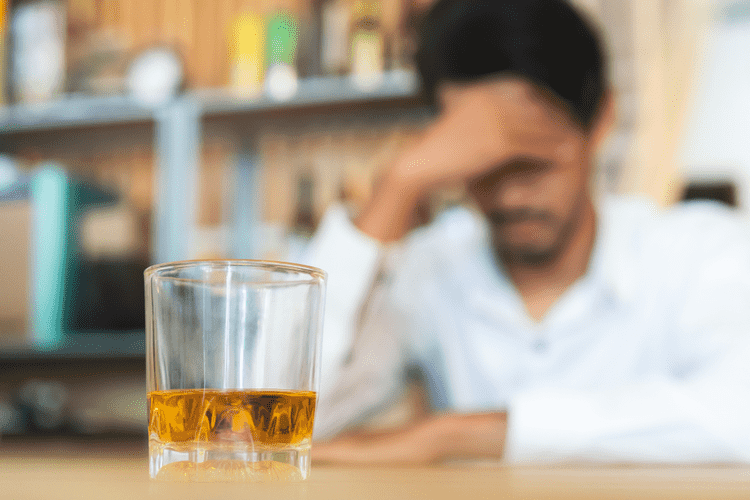
Excessive alcohol consumption often causes malnourishment (not enough nutrients for drug addiction treatment the body to function well). Glucose comes from the food you eat, and insulin is produced by the pancreas. When you drink alcohol, your pancreas may stop producing insulin for a short time. Without insulin, your cells won’t be able to use the glucose you consume for energy.
If I eat more fat than my body needs for fuel, what happens to the excess?
Clear liquors around 40% strength can be consumed straight or with low-calorie, low-sugar mixers. Some dry, low-sugar wines can also be enjoyed in moderation, as well as light beers in small quantities. It’s important to listen to your body and be mindful of how alcohol affects your inhibitions, cravings, and overall health. Hyperglycemia is the typical finding at presentation with DKA, but patients can present with a range of plasma glucose values.
- Alcohol can disrupt this process, as the liver prioritises metabolising it over burning fat.
- If you’re a straight-up person then great… spirits over ice can often mean zero carbs!.
- An increased anion gap metabolic acidosis occurs when these ketone bodies are present as they are unmeasured anions.
Regular alcohol consumption can lead to chronic liver inflammation and impaired energy-making processes and may cause fatty liver disease, alcoholic hepatitis, and cirrhosis. It is important to note that alcohol can reduce inhibitions and make it harder to stick to the keto diet. alcohol ketosis dangerous Additionally, the ketogenic diet may help reduce cravings for alcoholic drinks or even help quit drinking. Ultimately, the impact of alcohol on ketosis varies from person to person, and it is essential to listen to your body and make informed choices. While the keto diet may lower alcohol tolerance, leading to faster intoxication, it’s crucial to always drink responsibly and never drink and drive. Additionally, those with liver issues should avoid alcohol, as it can cause harm until the liver has healed.
- In general, the prognosis for a patient presenting with AKA is good as long as the condition is identified and treated early.
- Both red and white wine contain sulfites, a common preservative used to extend wine’s shelf-life that can trigger symptoms such as headaches, vision problems, hives, dizziness, and nausea.

Excessive drinking while in ketosis could increase the risk of liver inflammation or damage over time. As mentioned previously, the combination of impaired gluconeogenesis due to alcohol and low carbohydrate intake can lead to dangerously low blood sugar levels. This is particularly concerning for individuals with diabetes or those prone to hypoglycemia.